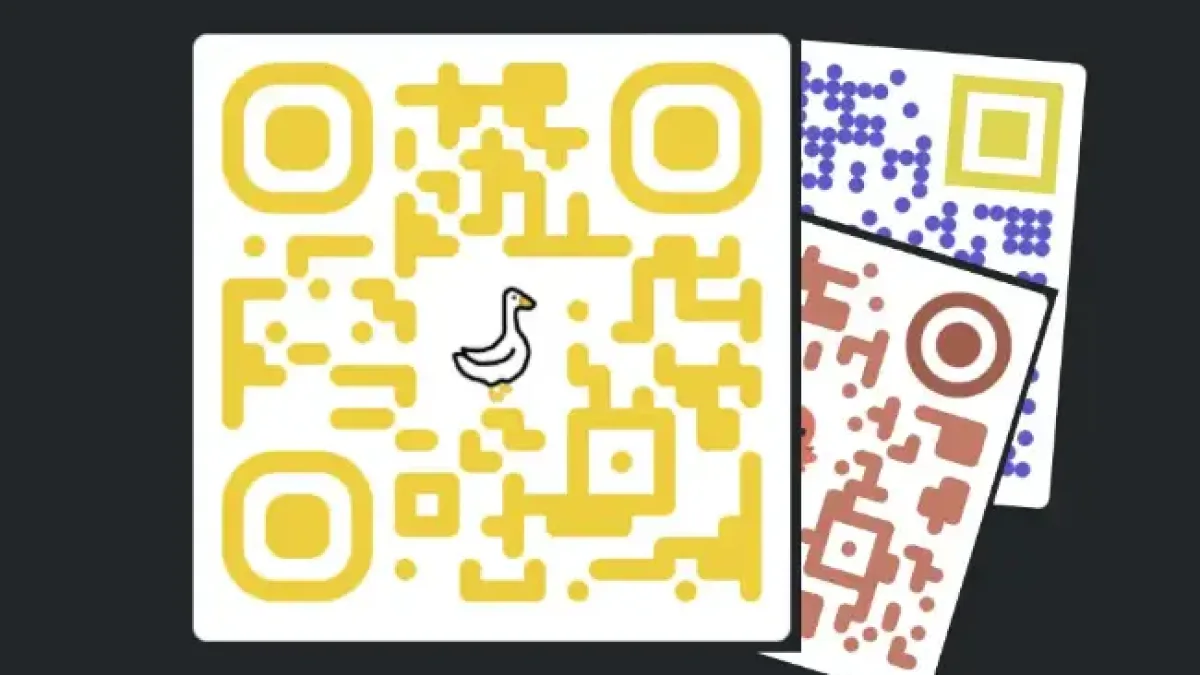
A QR code gives a camera a quick way to open encoded data, often a URL. In marketing, its main value is reducing the effort between seeing physical material and opening the corresponding digital destination.
Use a managed destination
A dynamic Goose.re QR code points to a managed short link. The destination can be updated without changing the printed code, provided the short link and domain remain active.
Design for reliable scanning
Maintain strong contrast, adequate surrounding whitespace, and a useful printed size. Logos, colors, dot styles, and corner styles can support branding, but decoration must not make the code difficult to detect. Test the exported image on multiple devices before production.
Explain the outcome
Place a short call to action beside the code, such as “Scan for event details.” Do not make people scan merely to discover what the code is for.
Choose placements carefully
Use codes where a person can stop, focus the camera, and safely interact. Avoid moving vehicles, inaccessible heights, reflective surfaces, and destinations that are not usable on mobile.
Measure without overstating
A dynamic code records visits through its underlying link. Goose.re can report click time, approximate unique visits, device class, browser, language, referrer, subnet, and UTM values when available. It does not provide user demographics, precise location, or a completed conversion by itself.
Keep the destination maintained for the lifetime of the printed material and include a readable fallback URL when the context requires accessibility or long-term resilience.